• 欢迎访问:祀与戎,国之大事,在祀与戎。 手机号码:
  • 欢迎访问:祀与戎,国之大事,在祀与戎。
  • 欢迎访问:祀与戎,国之大事,在祀与戎。祀与戎
  • 祀与戎,国之大事,在祀与戎www.siyurong.com
  • 祀与戎,国之大事,在祀与戎。如果您觉得本站非常有看点,那么赶紧使用 Ctrl+D

Jesse Washington: A Child Who Was Murdered By A City

思想观点 siyurong 6年前 (2020-09-20) 419次浏览 已收录 0个评论

In 1916, Jesse was killed by the people of Waco, Texas, after being forced to sign a confession he could not read.

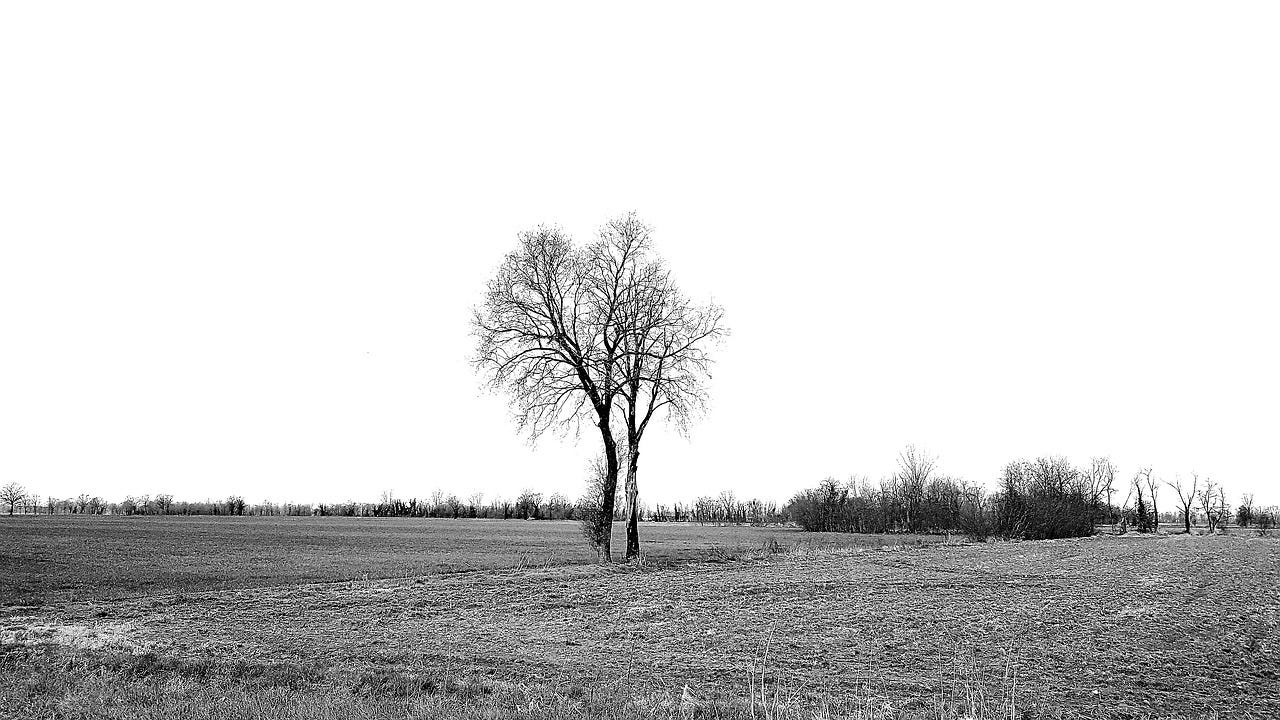
Image for post

Image for post

Image of a tree. by 

Warning: This article discusses a violent lynching. To respect the memory of Jesse, pictures of the lynching are not part of this article, however, descriptions are not sanitized. All links that contain photos of the lynching will have a (*) by them.

In 1916, an angry White mob killed Jesse Washington. He was a 17-year old child whose death was a public event where men, women, and children watched his torture. It was lynching that would change America and it came at the expense of a child’s life.


The Murder of Jesse

The following is a summary of Jesse’s death according to ’s reports, in the article titled* in the NAACP’s The Crisis Magazine. Freeman went to Waco and interviewed local authorities, and witnesses to the murder, contributing to an article that horrified the people of the United States. The story describes in unforgiving detail the final days, hours, and moments of Jesse’s life. According to The Waco Horror, this is what we know:

Jesse was accused of killing and raping his employer, a White woman named Lucy Fryer. After being arrested, Jesse confessed to the crime and was quickly put on trial for his alleged crimes. The trial was short and the verdict from the all-white male jury *: guilty, sentenced to death.

That’s when the mob attacked. Jesse was dragged from the courthouse out into the street, marched about until the mob had completed the execution site: a tree where . According to Freeman, by the time he arrived at the tree, * and he had been stabbed multiple times. The article also notes that to prevent him from grabbing the chain and fleeing the flames, his fingers were also cut off. The murders then lowered him onto the fire, burning him to death in as onlookers watched.

In a final act of violence against Jesse, his death was photographed; not for purposes of documenting criminal activity, but to capture a moment of excitement for the city of Waco.

That was how Jesse Washington died: publicly humiliated, tortured, and in his final moments, his death was entertainment for a cruel crowd.


The Photographs of Jesse’s Murder

The photographs of the lynching are a gaze into hell. * shows a white mob swarming around a tree where you can see a fire pit with what appears to be a man laying across it. * shows the result of the lynching, with Jesse’s burnt remains hanging from the tree, a chain around what would be his neck.

These photographs are one of the most important historical records we have of lynchings. Many lynching photographs were taken after the act and are images of Black people hanging, their souls having left this Earth. All of these deaths were horrific and traumatic. However, the photographs of Jesse’s murder are crucial because they show the process of a lynching. The crowds, the glee, and the final result. It shows how this type of violence was a social event for members of White communities.

The photographs of Jesse’s murder remove any romanticization one carries of “the old south” because at the core, this is it. The photos of Jesse Washington being burned alive as a White crowd socializes is Jim Crow in all its splendor. These photos are the legacy of the antebellum south. This is Dixieland. These photos encapsulate meant different things to different groups, for White people it was a sweet memory, for Black people it was a horror story.

For White people, these photographs were souvenirs. The photographer, Fred Gildersleeve, . The pictures of Jesse’s murder became dark momentos; conversations starters for White people to discuss in their parlors and at the dinner table. They were tools of White power education as parents could show their children the charred body of Jesse and start a conversation about Black people knowing their place. The photographs were a glorification of White rage, soothing portraits of what White people could do to any Black person that threatened their power.

Image for post

Image for post

From Pixabay by 

For Black people, the photographs were a warning and message. They showed Black people what would happen to them should they dare to step out of line, or raise their voice or hand to a White person. They were also reminders at how quickly the judicial system would fail them and their deaths would be spectacles for White communities. These photographs were, essentially, a public relations campaign for White supremacy.

In the end, the production of these pictures was short-lived. The photographs were so horrendous that Gildersleeve  that he had ceased selling them. In a letter, Gildersleeve explaining the reason wrote, “our ‘City dads’ objected on the grounds of ‘bad publicity’…” In the end, it was national horror at the town’s actions, not the death of a Black man, that encouraged Gildersleeve to stop selling the profitable photographs.


The Politics of Jesse’s Murder

From the moment suspicion was cast upon him, Jesse’s days upon this earth became shorter. Although initially move out of Waco for safekeeping, Jesse was returned to the city for the trial. As Freeman reported to the NAACP, the lynching :

“They brought the boy back to Waco because a lynching was of political value to the county officials who are running for office. Every man I talked with said that politics was at the bottom of the whole business. All that element who took part in the lynching will vote for the Sheriff.”

Freeman also noted the role of the judge in the lynching and his political standing in relation to the lynching. Freeman’s report shows that Jesse was a sacrificial lamb thrown to an angry crowd to assure re-election for White political figures. There was complete complicity on the behalf of local officials. After the verdict had been delivered, the judge and sheriff did nothing to stop the mob from grabbing Jesse. According to The Waco Horror, the from his office. This murder did not bother the leadership in Waco until it painted them as monsters in the national news. This serves as even a deeper, saddening aspect of the story as, according to the article, Jesse had been  from the mob if he told admitted to the crime.

Image for post

Image for post

Image of a jail cell. From Pixabay by 

Jesse’s death and the article The Waco Horror revealed many things about lynchings and how they connect to local authorities. Jesse’s death demonstrated that lynchings were done with silent blessings from local authorities. This completely derails any notions, past or present that a majority of lynchings happened because of a few out of control White supremacists. Even in cases where small groups acted independently (lynching someone in the middle of the night) complicity can be seen by the local justice system failing to prosecute the murders.

Lynchings were a handing over of justice responsibilities from authorities to White communities. As Bryan Stevenson of the Equal Justice Initiative  with NPR, these lynchings occurred “[where] there was a functioning criminal justice system that was deemed “too good” for African-Americans.” As Stevenson’s words demonstrate, there was an established system for dealing with criminal activity, meaning that lynchings should have been outlawed and treated by local authorities as illegal, vigilante justice. However, they rarely were viewed in this manner. More often, lynchings were a way of allowing the White community to take an active role in the execution of Black people. In other words, lynchings were an unofficial part of established justice systems in the Jim Crow era.


The Question of Guilt

While the question of Jesse’s guilt remains unanswered, the reality is that Jesse Washington did not receive a fair trial and his conviction was nothing more than a formality.

As a young Black man in Jim Crow Texas, there was no doubt he would be the first suspect because Jesse did not have a strong alibi for the murder. Strong alibi, meaning, he did not have a White person who could verify he did not commit the murder.

Jesse confessed to the murder. However, this must be looked at with context. Jesse was questioned by police and stated that he had been promised he would be protected from mob justice if he worked with them (aka admitted to the murder). Under the pretense of false hope and without the presence of a lawyer dedicated to protecting his client’s interests, Jesse admitted to a crime. Despite being unable to read, Jesse was allowed to sign a statement, fully confessing to the murder. This is hardly the type of unbiased environment one would want from a suspect giving a full confession.

Image for post

Image for post

From by 

The testimonials and evidence collection of law enforcement must also be brought into question. According to an article at the Waco Tribune-Herald, a * on him when he was discovered. However, this statement needs to be question because of the other factors surrounding his arrest, admission of guilt, and the events that followed. When it comes to evidence gathering and statements, one mistake within the process puts everything into question. There were plenty of “mistakes” made within the confession of Jesse Washington. As previously stated, local law enforcement was complicit in the lynching. This means that everything brought forward by law enforcement should be taken with a massive grain of salt.

Another consideration is one that, as The Waco Horror observed,  and unable to make informed decisions. This disability created an even bigger target on Jesse’s back, as writer comments, “During the years of the lynching epidemic in the US (very roughly 1880–1930), it was not uncommon for lynch mobs to target black men who were mentally disabled…” On top of racism, Jesse was also faced with ableism from the White community who saw his disability as another reason to dehumanize him. By the time the trial began, Jesse was considered a Black monster who had murdered and raped Lucy Fryer. Bernstein’s narrative drives home a dark truth that we still know today: Black, disabled men are not treated with the care they deserve within the justice system. If one wants proof of this they need to look no further then the case of , a Black man with schizophrenia who was killed by police in West Virginia.

Jesse deserved a fair trial by a jury of his peers. He deserved to not be intimidated and should not have been encouraged to sign a confession under false promises. However, that is what happened. After all, the decision to kill him had already been made.


How We Should Remember Jesse

The lynching of Jesse Washington changed America. The article The Waco Horror sent shock waves through the US. The NAACP would continue to send investigators to sites of lynchings, sharing those stories with the American people. I have written, previously about , which was investigated by the NAACP’s Walter White. Jesse’s death was horrific, but from it begins a new conversation: how do we remember him and other victims of lynchings?

Victims of lynchings deserve far more historical recognition than they have been given. There are many wonderful organizations that are working hard to remember and memorialize the victims so that their stories become part of the mainstream historical narrative in our nation. In the case of Jesse Washington, activists in Waco worked tirelessly for years to assure his death is not forgotten. There is  that will be placed near the Waco city hall.

Historical markers are a good step forward, but should not be a substitute for this history being included in our K-12 educational system. History textbooks need to talk about lynchings in detail. Teachers need to be trained on how to discuss this history and not simply teach about the mobs as “a few bad apples”, but instead as people who, empowered by White supremacy and local authorities committed acts of violence to preserve a racial hierarchy.

All too often, in American education, we shy away from the gory details that we believe students cannot handle. However, when it comes to history, we must not sugar coat the dark realities. To do so creates a population that is unaware of the historical and current interconnectedness of White supremacy with our justice system.

Image for post

Image for post

From by 

Black children cannot afford to receive sugar-coated history lessons in their homes. Their parents tell them the whole story, all the details and memories included because it is still part of our lived experience. The story of Jesse Washington is one that has been repeated throughout Black American history. Black children and youth know this story because someday, they may know another Jesse Washington, with a different name who meets a fate at the hands of angry White people. It is time for our education system to acknowledge this dark past and teach about lynching with the complexity the topic deserves.

As we look at the legacy of Jesse Washington, we must give him and other lynching victims the respect and memory they have been refused. They must be household names in the United States; along with Emmet Till. Only by confronting the legacy of lynching can we truly change as a nation.

Works I recommend:

 in The Undefeated*


祀与戎 , 版权所有蜀ICP备14023000号-6丨如未注明 , 均为原创丨本网站采用BY-NC-SA协议进行授权
转载请注明原文链接:Jesse Washington: A Child Who Was Murdered By A City
喜欢 (0)
发表我的评论
取消评论

表情 贴图 加粗 删除线 居中 斜体 签到

Hi,您需要填写昵称和邮箱!

  • 昵称 (必填)
  • 邮箱 (必填)
  • 网址